
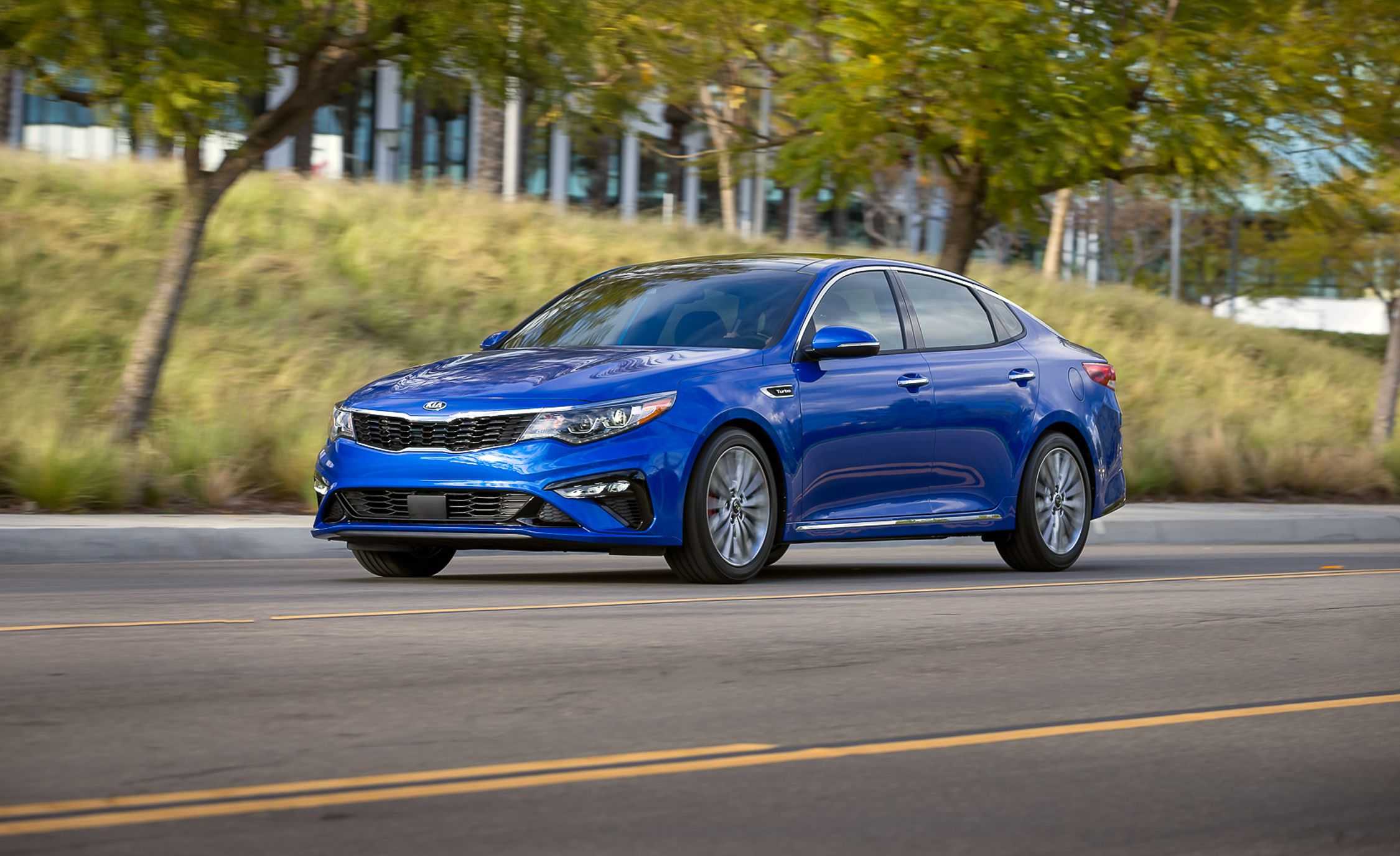

Kia Optima Hybrid 2020
Introduction to the Kia Optima Hybrid 2020:
Welcome to the Kia Optima Hybrid 2020! This introduction provides an overview of the Kia Optima Hybrid and highlights some of its key features and benefits. The Kia Optima Hybrid is a midsize sedan that combines stylish design, advanced hybrid technology, and fuel efficiency to provide an enjoyable and eco-friendly driving experience.
The Optima Hybrid is equipped with a hybrid powertrain that combines a gasoline engine with an electric motor. This combination allows for improved fuel efficiency and reduced emissions compared to traditional gasoline-only vehicles. With the Optima Hybrid, you can enjoy the benefits of a hybrid vehicle without compromising on performance or style.
One of the standout features of the Kia Optima Hybrid is its sleek and modern exterior design. The car features a distinctive grille, aerodynamic lines, and available LED headlights, giving it an eye-catching and sophisticated look. The interior offers a spacious and comfortable cabin, with high-quality materials and advanced technology features to enhance your driving experience.
The Optima Hybrid is equipped with a range of advanced safety features to help keep you and your passengers protected on the road. These include driver-assistance systems such as Forward Collision Avoidance Assist, Blind Spot Collision Warning, Lane Keeping Assist, and Smart Cruise Control, among others. These features are designed to provide additional peace of mind and assist you in avoiding potential accidents.
In terms of technology and connectivity, the Optima Hybrid offers an array of features to keep you connected and entertained. It includes an intuitive infotainment system with a touchscreen display, smartphone integration (Apple CarPlay and Android Auto), Bluetooth connectivity, and available features like a premium sound system, navigation, and wireless phone charging.
Another notable aspect of the Kia Optima Hybrid is its commitment to sustainability. By driving a hybrid vehicle, you contribute to reducing greenhouse gas emissions and minimizing your carbon footprint. The Optima Hybrid’s hybrid powertrain allows for improved fuel efficiency, meaning fewer trips to the gas station and more savings in the long run.
This introduction provides a glimpse into the Kia Optima Hybrid 2020 and its key features. As an owner, you can refer to the comprehensive user manual for detailed information on operating your vehicle, maintenance guidelines, and troubleshooting tips.
Thank you for choosing the Kia Optima Hybrid 2020. We hope you enjoy the blend of efficiency, style, and advanced features that this hybrid sedan offers, making your driving experience both enjoyable and eco-friendly.
Skip to PDF contentHybrid/Plug-in Hybrid System Overview
HEV (HYBRID ELECTRIC VEHICLE) SYSTEM
The Kia Hybrid Electric Vehicle (HEV) uses both a gasoline engine and an electric motor for power. The electric motor is run by a 270V high-voltage HEV battery.
Depending on the driving conditions, the HEV computer selectively operates between the engine and the electric motor or even both at the same time.
Fuel efficiency increases when the engine is at idle, or when the vehicle is driven by the electric motor with the HEV battery.
The HEV battery charge must be maintained because, at times, the engine may come on even at idle to act as a generator. Charging also occurs when decelerating or by regenerative braking.
PHEV (PLUG-IN ELECTRIC VEHICLE) SYSTEM
The Kia Plug-in Hybrid Electric Vehicle (PHEV) shares the characteristics of both a conventional hybrid electric vehicle and an all-electric vehicle.
When used as a conventional hybrid electric vehicle, the HEV computer selectively operates between the engine and the electric motor or even both at the same time.
When it is operating in the electric vehicle mode, the vehicle is driven only using the electric motor over a certain distance until the hybrid battery becomes low. The driving distance in EV mode depends on the customer’s driving style and road conditions. Aggressive driving maneuvers may at times temporarily enable the engine to operate for maximum power.
The hybrid battery can be fully charged by connecting a plug to an external electric power source.
CHARGING THE PLUG-IN HYBRID VEHICLE
Charging Information
- AC Charger: The plug-in hybrid vehicle is charged by plugging into an AC charger installed in your home or a public charging station.(For further details, refer to the ‘AC Charge’.)
- Trickle Charger: The plug-in hybrid vehicle can be charged by using household electricity.
The electrical outlet in your home must comply with regulations and can safely accommodate the Voltage / Current (Amps) / Power (Watts) ratings specified on the trickle charge.
Charging Time
- AC Charger: Takes about from 2 and a half hours to 3 hours at room temperature (Can be charged to 100%.).
Depending on the condition and durability of the high-voltage battery, charger specifications, and ambient temperature, the time required for charging the high-voltage battery may vary. - Trickle Charger: For charging at home. Please note that the Trickle Charger is slower than the AC Charger.
- When scheduled charging is set and the AC charger or the portable charging cable (ICCB: In-Cable Control Box) is connected for charging, the indicator lamp blinks (for 3 minutes) to indicate that scheduled charging is set.
- When scheduled charging is set, charging is not initiated immediately when the AC charger or portable charging cable (ICCB: In-Cable Control Box) is connected. When immediate charging is required, use the AVN to deactivate the scheduled charge setting.
When you cannot drive to a public charging station due to low battery, you can charge the car by using the 220V portable charger (ICCB: In Cable Control Box) which you can buy as an option.
NOTICE
This cable is designed to prevent problems caused by unexpected battery discharge and when you use general outlets, it may lead to excessive electricity charges as the electricity charges for electric vehicles will not be applied. So refrain from using it to fully charge your car.
WARNING
If this cable is connected to a household power source, it may exceed the capacity of the distributor, resulting in safety problems such as electrical shutdown and fire.
How to Set Charging Current of Portable Charging Cable
- Check the outlet’s current rating before connecting the plug to the outlet.
- Connect the power plug to the household electrical outlet.
- Check the status of the control box display.
- Adjust the charging current by pressing the button (1) on the back of the control box for more than 1 second. (Refer to the examples of charging cable type and charging current setting.)
- Each time the button (1) is pressed, the control box display is sequentially changed to 12A, 10A and 8A.
- Once the charging current setting is complete, start charging according to the Trickle Charge procedure.
STARTING THE HYBRID/PLUG-IN HYBRID VEHICLE (SMART KEY)
Starting the Hybrid System
- Carry the smart key into the vehicle.
- Make sure the parking brake is firmly applied.
- Place the shift lever in the P(Park) position. In N (neutral) position, you cannot start the vehicle.
- Depress the brake pedal.
- Press the engine start/stop button.
- The engine should be started without pressing the accelerator. In extremely cold weather or after the vehicle has not been operated for several days, let the engine warm up without depressing the accelerator.
Even if the smart key is in the vehicle, if it is far away from you, the engine may not start.
When the engine starts/stop button is in the ACC or ON position and if any door is open, the system checks for the smart key. If the smart key is not in the vehicle, the warning, “Key is not in the vehicle” will come on, and if all doors are closed, the chime will also sound for about 5 seconds. Keep the smart key in the vehicle when using the ACC position or if the vehicle engine is on. The indicator will turn off while the vehicle is moving.
ECONOMICAL and SAFE OPERATION of Hybrid system
- Drive smoothly. Accelerate at a moderate rate and maintain a steady cruising speed. Don’t make “jack-rabbit” starts. Don’t race between stoplights.
Avoid heavy traffic whenever possible. Always maintain a safe distance from other vehicles so you can avoid unnecessary braking. This also reduces brake wear. - The regenerative brake generates energy when the vehicle decelerates.
- When the hybrid battery power is low, the hybrid system automatically recharges the hybrid battery.
- When the engine runs in “N” position, the hybrid system cannot generate electricity. The hybrid battery cannot recharge in “N” position. Please refer to chapter 5.
NOTICE
When the hybrid system is in READY mode, the engine will automatically start and stop as needed. The “ ” symbol will illuminate in the cluster when the system is operational.
CAUTION – Extended cranking
Do not crank the engine for a prolonged period of time without the engine starting. This could result in damage to the HEV battery and become totally discharged.
COMPONENTS OF THE HYBRID/PLUG-IN HYBRID VEHICLE
- Engine: 2.0L
- Motor: 38kW (Hybrid) / 50kW (Plug-in hybrid)
- Transmission: 6AT
- Hybrid starter generator (HSG)
- HPCU (Hybrid Power Control Unit)
- High voltage battery system
- Regenerative brake system
- Virtual Engine Sound System (VESS)
The Hybrid battery uses high-voltage to operate the electric motor and other components. High voltage is dangerous if touched.
Your vehicle is equipped with orange-colored insulation which covers over the high-voltage components to protect people from electric shock.
High voltage warning labels are attached to some system components as additional warnings. Your vehicle is recommended to be serviced by an authorized Kia dealer.
WARNING – High voltage components
Never touch orange or high-volt-age labeled components including wires, cables, and connectors. If the insulators or covers are damaged or removed, severe injury or death from electrocution may occur.
WARNING – Touching HPCU
When replacing the fuses in the engine compartment, never touch the HPCU. The HPCU carries high voltage. Touching the HPCU could result in electrocution, serious injury, or death.
CAUTION – High Voltage Battery Damage
When loading your vehicle, be careful transporting items in a manner that could damage the high-voltage battery. Do not store items on top of the high-voltage battery or overload the trunk area. Such actions may ultimately damage the high-voltage battery unit.
CAUTION – Carrying Liquids in the Trunk
Do not load large amounts of liquid in open containers in the vehicle. If spilled onto the HEV battery, the liquid may cause short or further damage to the battery.
WARNING – Battery Electrolyte
As with all batteries, avoid fluid contact with the Hybrid battery. If the battery is damaged and if electrolyte comes in contact with your body, clothes or eyes, immediately flush with a large quantity of fresh water. Have your eyes examined by a doctor as soon as possible.
WARNING – After-market Battery Charger
Do not use an after-market battery charger to charge the Hybrid battery. Doing so may result in death or serious injury.
NOTICE – Prolonged parking
Prolonged parking might cause battery discharge and operation failure due to natural discharge. Driving the vehicle approximately once every 2 months, more than 9 mile (15 km) is recommended. The battery will be charged automatically when driving the vehicle.
Reference Link
Download Link: https://owners.kia.com/content/owners/en/manuals.html