
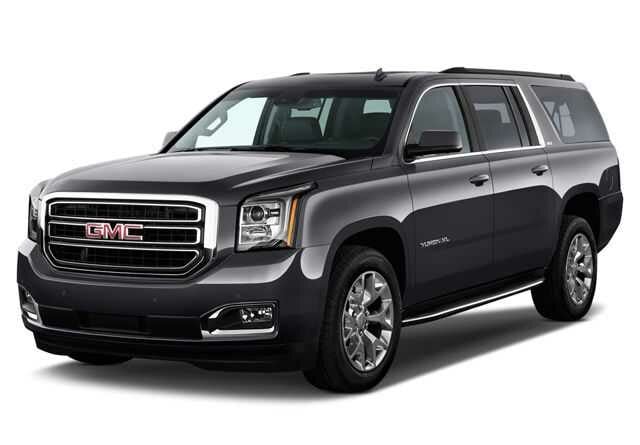

2019 GMC Yukon Fuses and Fuse Box Diagram User Guide
The 2019 GMC Yukon fuse box diagram shows fuse and relay placement and function. Knowing fuse box locations helps identify and fix electrical issues, assuring vehicle reliability and safety.
2023 – 2024 GMC YUKON Review, Specs, Price and Mileage (Brochure)
Video: 2019 GMC Yukon Fuses
Electrical System
Electrical System Overload
The vehicle has fuses to protect against an electrical system overload. Fuses also protect power devices in the vehicle. Replace a bad fuse with a new one of the identical size and rating. If there is a problem on the road and a fuse needs to be replaced, there are some spare fuses and a fuse puller in the left instrument panel fuse block. The same amperage fuse can also be borrowed. Choose some feature of the vehicle that is not needed to use and replace it as soon as possible.
Headlamp Wiring
An electrical overload may cause the lamps to go on and off, or in some cases to remain off. Have the headlamp wiring checked right away if the lamps go on and off or remain off.
Windshield Wipers
If the wiper motor overheats due to heavy snow or ice, the windshield wipers will stop until the motor cools and will then restart. Although the circuit is protected from electrical overload, overload due to heavy snow or ice may cause wiper linkage damage. Always clear ice and heavy snow from the windshield before using the windshield wipers. If the overload is caused by an electrical problem and not snow or ice, be sure to get it fixed.
Fuses and Circuit Breakers
The wiring circuits in the vehicle are protected from short circuits by a combination of fuses and circuit breakers. This greatly reduces the chance of damage caused by electrical problems.
Danger
Fuses and circuit breakers are marked with their ampere rating. Do not exceed the specified amperage rating when replacing fuses and circuit breakers. Use of an oversized fuse or circuit breaker can result in a vehicle fire. You and others could be seriously injured or killed.
To check a fuse, look at the silver-colored band inside the fuse. If the band is broken or melted, replace the fuse. Be sure to replace a bad fuse with a new one of the identical size and rating. Fuses of the same amperage can be temporarily borrowed from another fuse location, if a fuse goes out. Replace the fuse as soon as possible.
Engine Compartment Fuse Block
The engine compartment fuse block is in the engine compartment, on the driver side of the vehicle.

Lift the cover to access the fuse block.
Caution
Spilling liquid on any electrical component on the vehicle may damage it. Always keep the covers on any electrical component.
A fuse puller is available in the left instrument panel fuse block.

| Fuse | Usage |
|---|---|
| 1 | Electric running boards |
| 2 | Antilock brake system pump |
| 3 | Interior BEC LT1 |
| 4 | Passenger motorized seat belt |
| 5 | Suspension leveling compressor |
| 6 | 4WD transfer case electronic control |
| 7 | – |
| 8 | – |
| 10 | Electric parking brake/ – |
| 11 | – |
| 12 | – |
| 13 | Interior BEC LT2 |
| 14 | Rear BEC 1 |
| 15 | – |
| 16 | – |
| 17 | Driver motorized seat belt |
| 18 | – |
| 19 | – |
| 20 | – |
| 21 | Automatic headlamp leveling/ Exhaust solenoid |
| 22 | Fuel pump |
| 23 | Integrated chassis control module |
| 24 | Real-time dampening |
| 25 | Fuel pump power module |
| 26 | Active Hydraulic Assist/ Battery regulated voltage control |
| 27 | – |
| 28 | Upfitter 2 |
| 30 | Wiper |
| 31 | Trailer interface module |
| 32 | – |
| 33 | – |
| 34 | Reverse lamps |
| 35 | Antilock brake system valve |
| 36 | Trailer brakes |
| 38 | – |
| 39 | Right trailer stoplamp/Turn signal lamp |
| 40 | Left trailer stoplamp/Turn signal lamp |
| 41 | Trailer parking lamps |
| 42 | Right parking lamps |
| 43 | Left parking lamps |
| 44 | Upfitter 3 |
| 45 | Automatic level control/Run/Crank |
| 46 | – |
| 47 | Upfitter 4 |
| 49 | Reverse lamps |
| 50 | – |
| 52 | – |
| 53 | – |
| 54 | – |
| 55 | – |
| 56 | – |
| 57 | – |
| 58 | – |
| 59 | Euro trailer |
| 60 | Air conditioning control |
| 61 | – |
| 62 | – |
| 63 | Upfitter 1 |
| 64 | – |
| 65 | – |
| 66 | – |
| 67 | Trailer battery |
| 68 | Secondary fuel pump |
| 69 | RC upfitter 3 and 4 |
| 70 | VBAT upfitter 3 and 4 |
| 71 | – |
| 73 | – |
| 74 | Engine control module/Ignition |
| 75 | Miscellaneous/Ignition/ – |
| 76 | Transmission/Ignition |
| 77 | RC upfitter 1 and 2 |
| 78 | VBAT upfitter 1 and 2 |
| 79 | – |
| 80 | – |
| 81 | – |
| 82 | – |
| 83 | Euro trailer/RC |
| 85 | – |
| 86 | – |
| 87 | MAF/IAT/Humidity/ TIAP sensor |
| 88 | Injector A – odd |
| 89 | Injector B – even |
| 90 | O2 sensor B |
| 91 | Throttle control |
| 93 | Horn |
| 94 | Fog lamps |
| 95 | High-beam headlamps |
| 96 | – |
| 97 | – |
| 98 | – |
| 99 | – |
| 100 | O2 sensor A |
| 101 | Engine control module |
| 102 | Engine control module/Transmission control module |
| 103 | Auxiliary interior heater |
| 104 | Starter |
| 105 | – |
| 106 | – |
| 107 | Aeroshutter |
| 108 | – |
| 109 | Police upfitter |
| 110 | – |
| 111 | – |
| 113 | – |
| 114 | Front windshield washer |
| 115 | Rear window washer |
| 116 | Left cooling fan |
| 117 | Fuel pump prime |
| 118 | – |
| 119 | – |
| 120 | – |
| 121 | Right HID headlamp |
| 122 | Left HID headlamp |
| 123 | Right cooling fan |
| Relay | Usage |
|---|---|
| 9 | Fuel pump |
| 29 | Upfitter 2 |
| 37 | Upfitter 3 |
| 48 | Upfitter 4 |
| 51 | Parking lamp |
| 64 | Secondary fuel pump |
| 72 | Upfitter 1 |
| 84 | Run/Crank |
| 92 | Engine control module |
| 112 | Starter |
| 120 | Fuel pump prime |
Instrument Panel Fuse Block (Right)

The right instrument panel fuse block access door is on the passenger side edge of the instrument panel. Pull off the cover to access the fuse block.

There are relays on the back of the fuse block. To access, press the tabs and remove the fuse block. The vehicle may not be equipped with all of the fuses, relays, and features shown.
| Fuse | Usage |
|---|---|
| 1 | – |
| 2 | – |
| 3 | – |
| 4 | Accessory power outlet 4 |
| 5 | – |
| 6 | – |
| 7 | – |
| 8 | Glove box |
| 9 | – |
| 10 | – |
| 11 | – |
| 12 | Steering wheel controls |
| 13 | Body control module 8 |
| 14 | – |
| 15 | – |
| 16 | – |
| 17 | – |
| 18 | Body control module 4 |
| 19 | Rear seat entertainment |
| 20 | Sunroof |
| 21 | – |
| 22 | – |
| 23 | – |
| 24 | – |
| 25 | – |
| 26 | Infotainment/Airbag |
| 27 | -/RF window switch/Rain sensor |
| 28 | Obstacle detection/USB |
| 29 | Radio |
| 30 | – |
| 31 | – |
| 32 | – |
| 33 | – |
| 34 | – |
| 35 | – |
| 36 | Special equipment option B2 |
| 37 | Special equipment option |
| 38 | Body control module 2 |
| 39 | DC to AC inverter |
| 40 | – |
| 41 | – |
| 42 | – |
| 43 | – |
| 44 | Right door window motor |
| 45 | Front blower |
| 46 | Body control module 6 |
| 47 | Body control module 7 |
| 48 | Amplifier |
| 49 | Right front seat |
| 50 | Accessory power outlet 3 |
| 51 | – |
| 52 | Retained accessory power |
Instrument Panel Fuse Block (Left)

The left instrument panel fuse block access door is on the driver side edge of the instrument panel. Pull off the cover to access the fuse block.

The vehicle may not be equipped with all of the fuses, relays, and features shown.
| Fuse | Usage |
|---|---|
| 1 | – |
| 2 | – |
| 3 | – |
| 4 | Accessory power outlet 1 |
| 5 | Accessory power outlet from retained accessory power |
| 6 | Accessory power outlet from battery power |
| 7 | Universal garage door opener/Interior rearview mirror |
| 8 | SEO/Retained accessory power |
| 9 | – |
| 10 | Body control module 3 |
| 11 | Body control module 5 |
| 12 | Steering wheel control backlighting |
| 13 | – |
| 14 | – |
| 15 | – |
| 16 | Discrete logic ignition sensor |
| 17 | Video processing module/Virtual key module |
| 18 | Mirror window module |
| 19 | Body control module 1 |
| 20 | Front bolster |
| 21 | – |
| 22 | – |
| 23 | – |
| 24 | HVAC ignition/AUX HVAC ignition |
| 25 | Instrument cluster/Ignition sensing diagnostic module ignition |
| 26 | Tilt column/Tilt column lock 1/SEO 1/SEO 2 |
| 27 | Data link connector/Driver seat module |
| 28 | Passive locking, Passive theft-deterrent/HVAC battery |
| 29 | Content theft deterrent |
| 30 | – |
| 31 | – |
| 32 | – |
| 33 | SEO/Left heated seat |
| 34 | Park enable/Electric adjustable pedal |
| 35 | – |
| 36 | Miscellaneous/Run crank |
| 37 | Heated steering wheel |
| 38 | Steering column lock 2 |
| 39 | Instrument cluster battery |
| 40 | – |
| 41 | – |
| 42 | Euro trailer |
| 43 | Left door |
| 44 | Driver power seat |
| 45 | – |
| 46 | Right heated, cooled, or ventilated seat |
| 47 | Left heated, cooled, or ventilated seat |
| 48 | – |
| 49 | – |
| 51 | – |
| 54 | – |
| 55 | – |
| 56 | – |
| Relay | Usage |
|---|---|
| 50 | Accessory power outlet 2 |
| 52 | Retained accessory power |
| 53 | Miscellaneous run crank |
Rear Compartment Fuse Block

The rear compartment fuse block is behind the access panel on the left side of the compartment. Pull the panel out by grabbing the finger access slot at the rear edge.

The vehicle may not be equipped with all of the fuses, relays, and features shown.
| Fuse | Usage |
|---|---|
| 2 | – |
| 3 | Right-heated second-row seat |
| 4 | Heated mirrors |
| 5 | Liftgate |
| 6 | Glass breakage |
| 7 | Liftglass |
| 8 | Liftgate module logic |
| 9 | Rear wiper |
| 10 | Rear heating, ventilation, and air conditioning blower |
| 11 | Second-row seat |
| 12 | Liftgate module |
| 13 | Third-row seat |
| 14 | Rear accessory power outlet |
| 15 | Rear window defogger |
| 19 | Rear fog lamp (if equipped) |
| Relay | Usage |
|---|---|
| 1 | Rear window defogger |
| 16 | Liftgate |
| 17 | Liftglass |
| 18 | Rear fog lamp |
| 20 | Heated mirror |
How to Change GMC Yukon Fuse
Useful Links
View Full PDF: GMC Yukon 2019 User Manual | Auto User Guide
2023 – 2024 GMC YUKON Review, Specs, Price and Mileage (Brochure)
2019 GMC Yukon Display | Warning Messages Guide