Nissan Altima 2021
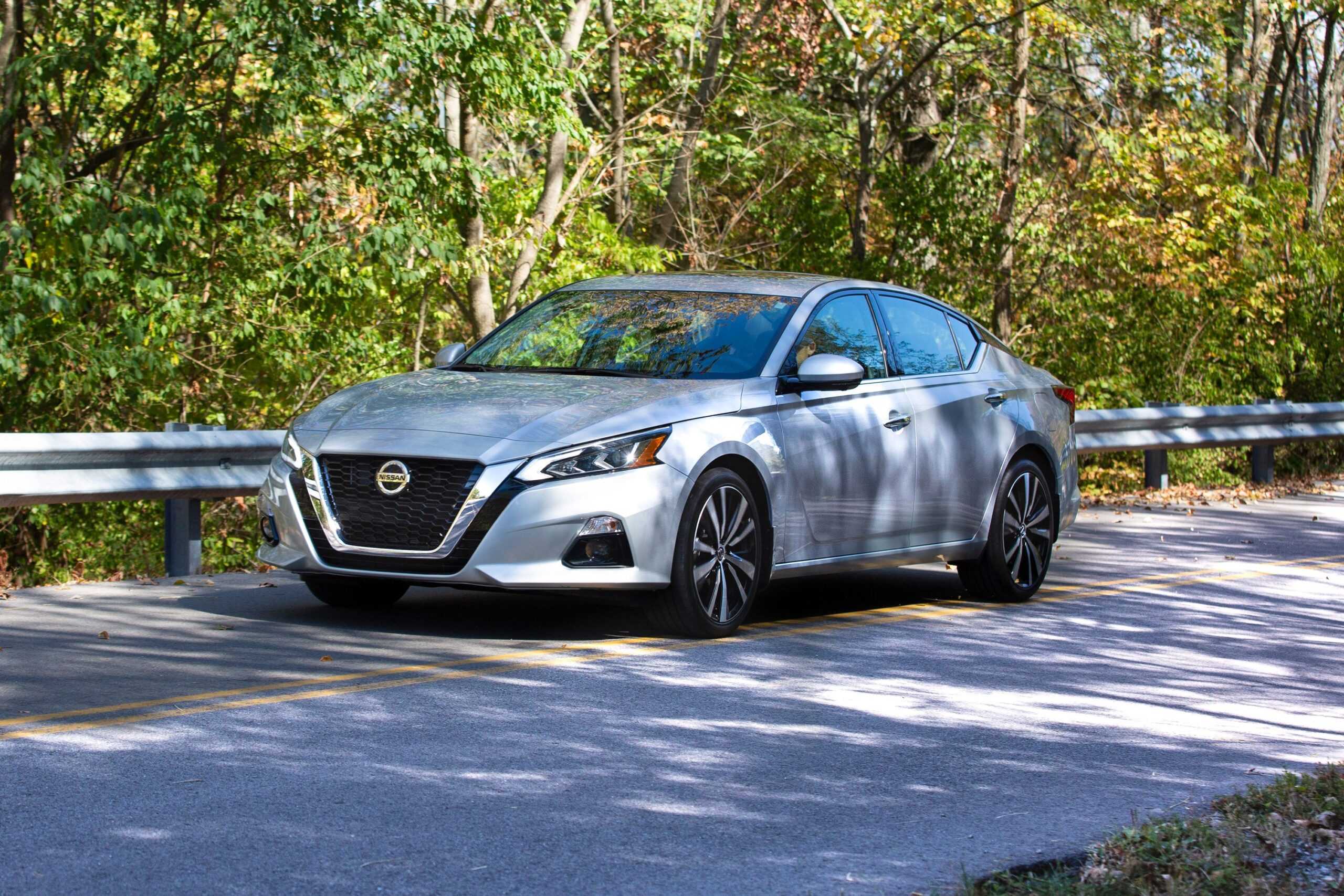
The Nissan Altima 2021 was introduced as the latest iteration of the mid-size sedan offered by Nissan. The 2021 Altima brought several updates and enhancements compared to its predecessors. Here are some key features and improvements:
- Design: The 2021 Altima features a sleek and sporty exterior design with a bold V-Motion front grille, sharp LED headlights, and available 19-inch alloy wheels. It presents a more modern and refined look.
- Engine Options: The 2021 Altima offers two engine choices. The standard engine is a 2.5-liter four-cylinder engine, delivering a balance of performance and efficiency. Additionally, there’s an available 2.0-liter variable compression turbocharged four-cylinder engine, known as VC-Turbo, providing enhanced power and fuel efficiency.
- Technology: The Altima comes equipped with a range of technology features, including an available 8-inch touchscreen infotainment system with Apple CarPlay and Android Auto integration, Bluetooth connectivity, and available NissanConnect services. It also offers optional features such as a Bose premium audio system and a digital instrument cluster.
- Safety: The 2021 Altima prioritizes safety with its suite of advanced safety features known as Nissan Safety Shield 360. This suite includes Automatic Emergency Braking with Pedestrian Detection, Rear Cross Traffic Alert, Blind Spot Warning, Lane Departure Warning, and High Beam Assist.
- All-Wheel Drive: The 2021 Altima offers the option of Intelligent All-Wheel Drive (AWD), providing enhanced traction and stability in various weather conditions.
These are just a few highlights of the Nissan Altima 2021 model. For more specific details and to explore the available trim levels and options, I recommend visiting Nissan’s official website or contacting a Nissan dealership for the most accurate and comprehensive information.
READ FIRST—THEN DRIVE SAFELY
Before driving your vehicle, please read this Owner’s Manual carefully. This will ensure familiarity with controls and maintenance requirements assisting you in the safe operation of your vehicle.
WARNING
IMPORTANT SAFETY INFORMATION REMINDERS!
Follow these important driving rules to help ensure a safe and comfortable trip for you and your passengers!
- NEVER drive under the influence of alcohol or drugs.
- ALWAYS observe posted speed limits and never drive too fast for the conditions.
- ALWAYS give your full attention to driving and avoid using vehicle features or taking other actions that could distract you.
- ALWAYS use your seat belts and appropriate child restraint systems. Preteen children should be seated in the rear seat.
- ALWAYS provide information about the proper use of vehicle safety features to all occupants of the vehicle.
- ALWAYS review this Owner’s Manual for important safety information.
MODIFICATION OF YOUR VEHICLE
This vehicle should not be modified. Modification could affect its performance, safety, emissions or durability and may even violate governmental regulations. In addition, damage or performance problems resulting from modifications may not be covered under NISSAN warranties.
WARNING
Installing an aftermarket On-Board Diagnostic (OBD) plug-in device that uses the port during normal driving, for example, remote insurance company monitoring, remote vehicle diagnostics, telematics or engine reprogram-ming, may cause interference or damage to vehicle systems. We do not recommend or endorse the use of any aftermarket OBD plug-in devices unless specifically approved by NISSAN. The vehicle warranty may not cover damage caused by any aftermarket plug-in device.
WHEN READING THE MANUAL
This manual includes information for all features and equipment available on this model. Features and equipment in your vehicle may vary depending on model, trim level, options selected, order, date of production, region or availability. Therefore, you may find information about features or equipment that are not included or installed on your vehicle.
All information, specifications, and illustrations in this manual are those in effect at the time of printing. NISSAN reserves the right to change specifications, performance, design or component suppliers without notice and without obligation. From time to time, NISSAN may update or revise this manual to provide Owners with the most accurate information currently available. Please carefully read and retain with this manual all revision updates sent to you by NISSAN to ensure you have access to accurate and up-to-date information regarding your vehicle. Current versions of vehicle Owner’s Manuals and any updates can also be found in the Owner section of the NISSAN website at https://owners.nissanusa.com/nowners/navigation/manualsGuide. If you have questions concerning any information in your Owner’s Manual, contact NISSAN Consumer Affairs. For contact information, refer to the NISSAN CUSTOMER CARE PRO-GRAM page in this Owner’s Manual.
IMPORTANT INFORMATION ABOUT
THIS MANUAL
You will see various symbols in this manual. They are used in the following ways:
WARNING
This is used to indicate the presence of a hazard that could cause death or serious personal injury. To avoid or reduce the risk, the procedures must be followed precisely.
CAUTION
This is used to indicate the presence of a hazard that could cause minor or moderate personal injury or damage to your vehicle. To avoid or reduce the risk, the procedures must be followed carefully.
SEATS!
WARNING
- Do not ride in a moving vehicle when the seatback is reclined. This can be dangerous. The shoulder belt will not be against your body. In an accident, you could be thrown into it and re-ceive neck or other serious injuries. You could also slide under the lap belt and receive serious internal injuries.
- For the most effective protection when the vehicle is in motion, the seat should be upright. Always sit well back and upright in the seat with both feet on the floor and adjust the seat properly. For additional information, see “Precautions on seat belt usage” (P. 1-12).
- After adjustment, gently rock in the seat to make sure it is securely locked.
- Do not leave children unattended inside the vehicle. They could unknowingly activate switches or controls or make the vehicle move. Unattended children could become involved in serious accidents.
- To help avoid risk of injury or death through the unintended operation of the vehicle and/or its systems, do not leave children, people who require the assistance of others or pets unattended in your vehicle. Additionally, the temperature inside a closed vehicle on a warm day can quickly become high enough to cause a significant risk of injury or death to people and pets.
- Do not adjust the driver’s seat while driving so full attention may be given to vehicle operation. The seat may move suddenly and could cause loss of control of the vehicle.
- The seatback should not be reclined any more than needed for comfort. Seat belts are most effective when the passenger sits well back and straight up in the seat. If the seatback is reclined, the risk of sliding under the lap belt and being injured is increased.
CAUTION
When adjusting the seat positions, be sure not to contact any moving parts to avoid possible injuries and/or damage.
FRONT MANUAL SEAT
ADJUSTMENT (if so equipped for
passenger’s seat)
Your vehicle seats can be adjusted manually. For additional information about adjusting the seats, refer to the steps outlined in this section.
Forward and backward
Pull the center of the bar up and hold it while you slide the seat forward or backward to the desired position. Release the bar to lock the seat in position.
Reclining
To recline the seatback, pull the lever up and lean back. To bring the seatback forward, pull the lever up and lean your body forward. Release the lever to lock the seat back in position.
The reclining feature allows adjustment of the seatback for occupants of different sizes for added comfort and to help obtain proper seat belt fit. For additional information, see “Precautions on seat belt usage” (P. 1-12). Also, the seatback can be reclined to allow occupants to rest when the vehicle is stopped and the shift lever is in the P (Park) position.
FRONT POWER SEAT ADJUSTMENT (for driver’s seat and if so equipped for passenger’s seat)
Operating tips
WARNING
Before driving the vehicle, return the seatback to an upright seating position after manually releasing it. Also, make sure the seat is locked in place. Failure to do so may cause the seat to move in a collision or sudden stop. This may result in damage to the seat or personal injury.
- The power seat motor has an auto-reset overload protection circuit. If the motor stops during operation, wait 30 seconds then reactivate the switch.
- Do not operate the power seat switch for a long period of time when the engine is off. This will discharge the battery.
For additional information, see “Memory Seat” (P. 3-31).
Forward and backward
Moving the switch as shown will slide the seat forward or backward to the desired position.
Seat lifter (driver’s seat)
Move the switch as shown to adjust the angle and height of the seat cushion.
Lumbar support (if so equipped for driver’s seat)
The lumbar support feature provides adjustable lower back support to the driver. Push the switch as shown to adjust the seat lumbar area.
Interior trunk access
The trunk can be accessed from the driver’s side and passenger side of the rear seat for loading and unloading, as shown.
- 1. Move the front passenger seat to the most forward position.
- Open the access cover on the rear parcel shelf.
- Insert a key or another suitable tool (such as a pen or a screwdriver) into the slot, then slide the recessed lever in the direction of arrow 1O.
- Fold down the passenger’s side seat back 2O.
NOTE:
To access the trunk in case of a dead battery, use a key or another suitable tool (such as a pen or screwdriver), to slide the recessed lever in the direction of the arrow.
2023 Nissan Altima Specs, Price, Features, Mileage (Brochure)
Reference Link
Download Manuals: https://www.nissanusa.com/owners/ownership/manuals-guides.html